 |
 |
 |
|---|
Whitey's Links
Photo Gallery
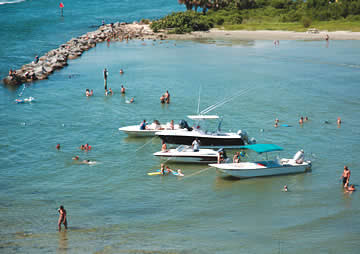
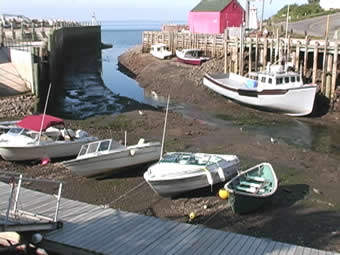

GOING FISHING? BETTER CHECK THE TIDES OUT FIRST!
Check below to view NOAA'S tide prediction tables.
|






ABOUT TIDES |
Considering it’s the tides that govern movements of
fish, fishermen need to read a tide table and be able to calculate high
and low water times. The health of the sea and all its creatures
depends on the ceaseless movement of water. Moving water disperses
pollutants, carries nutrients to phytoplankton, the tiny floating
plants that are the base of the ocean's food chain, and concentrates
bait, which then attracts larger fish. In simple terms baitfish will
feed on plankton which can not swim and are moved about by currents.
Areas where the plankton are concentrated will attract baitfish and
they in turn will attract the gamefish who feed on the baitfish. Each
is following its source of food, but the distribution of the plankton
(and some small types of baitfish), which can not swim are controlled
by the currents. Strong currents can sometimes overwhelm the swimming
ability of baitfish and concentrate them, even if there are no plankton
for them to feed on. This strong association of plankton, baitfish and
gamefish with currents frequently explains why fishing will slow down
or even stop when the current ceases. During slack water there is no
current to concentrate either the plankton or baitfish, and they will
be dispersed. In general, the stronger the current the more the
possibility of concentration and disorientation of baitfish. Thus the
increased opportunity to catch the larger fish who feed on the
baitfish. Most saltwater fish are wanderers: they follow the currents
of the food that is carried on the currents. An area with moving water
is generally a good place to fish; areas without moving water usually
provide poor fishing. Tides are especially important for beach fishing.
Their effects will vary depending on the character of the beach,
especially its slope, the tidal range, and weather and sea conditions
such as wave height and direction of the wind. The gentler the slope of
the beach or the greater the tidal range, the larger the part of the
beach that is exposed and then covered by the tide. Some structures or
favorable areas are only reachable at low tide. A smart beach angler
will explore a fishing area at low tide to find the location of pools
or other structures that will be covered, but fishable at high tide.
This technique should be repeated following any strong storms or period
of onshore winds, which can change the character of the bottom. A
rising tide will increase water depth and frequently carry in bait and
larger fish from offshore. The rising tide will also create tranquil
areas over depressions, as well as turbulent areas where the tidal
current is constricted. The latter can also happen with a falling tide.
The two hours before and after the high tide are frequently the best
times for fishing along a beach. The time just after slack water may
also be productive since the start of water motion frequently initiates
feeding activity. Remember, slack water does not always correspond with
times of high and low tide. If you have good luck with a specific tide,
remember that similar tidal conditions will be occur 24 hours and 50
minutes later. The principle generally works, but remember some fish
prefer to eat at dawn or dusk regardless of the tide. Once you start
paying attention to the phases of the moon you should be able to
estimate the relative strength of the tide. If you fish in an area
where the tides are of the mixed or semidiurnal variety note which of
the two daily high tides is the highest. Fishing the stronger (higher)
high tide when it occurs at dawn or dusk often yields especially good
results.
frequently initiates
feeding activity. Remember, slack water does not always correspond with
times of high and low tide. If you have good luck with a specific tide,
remember that similar tidal conditions will be occur 24 hours and 50
minutes later. The principle generally works, but remember some fish
prefer to eat at dawn or dusk regardless of the tide. Once you start
paying attention to the phases of the moon you should be able to
estimate the relative strength of the tide. If you fish in an area
where the tides are of the mixed or semidiurnal variety note which of
the two daily high tides is the highest. Fishing the stronger (higher)
high tide when it occurs at dawn or dusk often yields especially good
results.